

Iron Sulfide- Environmental Pollution Treatment Chemicals
Product Overview
Iron Sulfide (FeS) is an industrial-grade precipitating agent manufactured through the thermal processing, high-temperature synthesis, and precision milling of natural iron and sulfur mineral raw materials, engineered specifically for heavy metal removal in complex industrial wastewater streams. Operating via controlled sulfide precipitation, it targets divalent and trivalent heavy metal ions—specifically Nickel (Ni2+), Copper (Cu2+), Zinc (Zn2+), Lead (Pb2+), and Cadmium (Cd2+)—forming stable, insoluble metal sulfide precipitates.
Unlike conventional hydroxide precipitation methods, iron sulfide functions effectively across a broader operating pH range (pH 4.0 to 10.0) and forms precipitates with lower solubility product constants (Ksp). This technical profile prevents the re-dissolution of heavy metals under fluctuating environmental conditions, satisfying regulatory discharge limits for electroplating, printed circuit board (PCB) manufacturing, and mining effluent facilities.


Low Solubility Product (Ksp): Metal sulfide precipitates exhibit low solubility compared to metal hydroxides, securing lower residual metal concentrations in treated effluent.
Wide Operating pH Window: Active across pH 4.0 to 10.0, reducing the chemical consumption typically required for rigorous pH adjustment phases.
Inhibits Complexed Metal Interference: Reacts effectively with chelated or complexed heavy metals (e.g., nickel-EDTA or copper-cyanide complexes) without requiring thermal destruction steps.
Controlled Reactivity & Sludge Stability: Formulated to minimize unwanted hydrogen sulfide (H2S) off-gassing during application while producing dense, easily dewaterable filter cake sludge.
Strict Batch Uniformity: Controlled mineral raw material selection and particle size reduction ensure consistent stoichiometric performance batch-to-batch.
Applications
Electroplating & Metal Finishing Effluents
Removal of dissolved nickel, copper, and zinc from electroplating rinse water and spent baths.
Printed Circuit Board (PCB) Manufacturing
Treatment of etching and chemical plating wastewater containing complexed copper and nickel chelates.
Mining & Acid Mine Drainage (AMD)
Mitigation of heavy metal contamination in acidic runoff and metallurgical processing wastewater.
Hazardous Waste Solidification
Chemical stabilization of heavy metal-bearing filter cakes prior to secure landfill disposal to prevent leaching under TCLP (Toxicity Characteristic Leaching Procedure) tests.
Technical Specifications
|
Parameter |
Specification Standard |
Test Method |
|
Chemical Formula |
FeS |
ICP-OES / Gravimetric Analysis |
|
Iron Sulfide (FeS) Content |
>= 85.0% - 92.0% (Customizable) |
Iodometric Titration |
|
Appearance |
Dark Gray to Black Crystalline Powder |
Visual Inspection |
|
Particle Size (D50) |
75 um - 150 um (200 mesh - 100 mesh) |
Laser Diffraction Particle Size Analyzer |
|
Bulk Density |
1.2 - 1.6 g/cm3 |
ASTM D1895 |
|
Moisture Content |
<= 1.5% |
Gravimetric (105 deg C, 2h) |
|
Heavy Metal Impurities (As, Pb, Cd) |
<= 10 ppm |
ICP-MS |
Manufacturing & Quality Control
Production relies on the thermal processing and solid-state synthesis of natural iron and sulfur mineral raw materials in dedicated processing lines.
Synthesis & Grinding: Processed in sealed industrial rotary kilns under an inert blanket atmosphere to maintain strict oxidation state control, followed by mechanical impact milling and air classification to achieve precise particle size distribution (D50) and optimized surface area for rapid reaction kinetics.
Batch Testing Protocol: Every production lot undergoes laboratory verification. Samples are analyzed via Inductively Coupled Plasma Mass Spectrometry (ICP-MS) for assay purity and trace contaminants. Jar testing is performed on standardized synthetic wastewater to validate heavy metal removal efficiency before final packaging.
Compliance & Documentation: Each shipment includes a lot-specific Certificate of Analysis (CoA) and a Safety Data Sheet (SDS) aligned with international GHS standards.
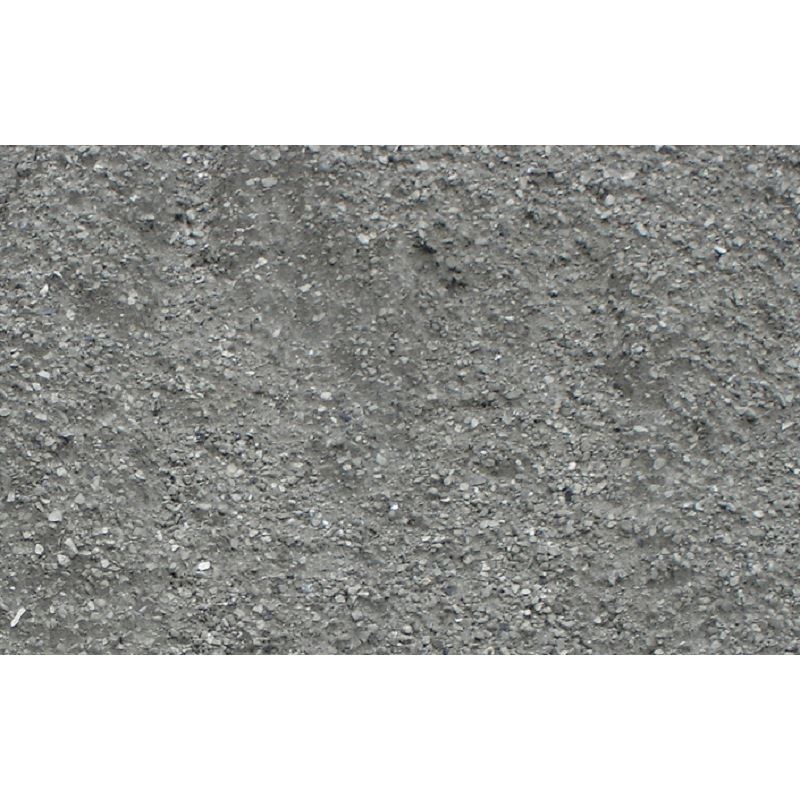

Particle Size Tailoring: Mill settings adjusted to deliver specific mesh sizes (e.g., ultrafine micronized powder or granular variants) depending on dosing system requirements (dry feed vs. slurry makeup).
Assay Adjustments: Formulations adjustable from 80% to 95% active FeS content to match specific municipal or industrial treatment economics.
Packaging Configurations:
- 25 kg moisture-resistant multi-wall paper bags with PE inner liners.
- 1,000 kg (1-metric-ton) polypropylene heavy-duty jumbo bags with discharge spouts.
- Custom private-label palletization and moisture-barrier shrink-wrapping available for distribution partners and project contractors.
Related Products & Materials
Polymer Flocculants (PAM)
Anionic and cationic polyacrylamides utilized downstream to aggregate metal sulfide micro-flocs into rapid-settling macro-aggregates.
Sodium Sulfide / Sodium Hydrosulfide
Liquid-phase precipitating agents utilized in dual-stage heavy metal polishing systems.
PH Adjusters
Industrial-grade Sodium Hydroxide (NaOH) and Hydrochloric Acid (HCl) for primary neutralization tanks.
Frequently Asked Questions
We are one of the most reliable iron sulfide- environmental pollution treatment chemicals suppliers in China, specialized in providing high quality customized products. Welcome to wholesale bulk iron sulfide- environmental pollution treatment chemicals in stock here from our factory. If you have any enquiry about free sample, please feel free to email us.
Iron Pyrite 150 Mesh, Pyrite Ore 0 15mm, Iron Sulfide 0 5mm